Kratom 101 guide
What is natural kratom leaf?
The most misunderstood plant in the category, mostly because almost nobody selling it will tell you how much of it you are getting.
Origins
Kratom, Mitragyna speciosa, is a tropical evergreen tree in the coffee family, native to Southeast Asia, particularly Indonesia, Thailand, and Malaysia. Its leaves have been used in the region for centuries, chewed fresh in the field or brewed into a tea by agricultural workers through long days of physical labour.
Its primary alkaloids are mitragynine and 7-hydroxymitragynine. Western use has grown sharply over the past two decades, and the regulatory picture has not kept pace with it.
Leaf is not extract is not synthetic
This is the distinction that the whole safety conversation turns on, and it gets flattened constantly. Traditional use is leaf material, where the alkaloid concentration is low and self-limiting. Concentrated extracts are a different product with a different risk profile. Semi-synthetic and synthetic isolates, particularly concentrated 7-OH, are a different product again, and they are the ones driving the headlines and the enforcement.
Treating all three as one substance is how you get either a bad policy or a bad purchase.
Serving size matters more here than anywhere
Traditional consumption delivers very low doses of the active compounds, spread across a working day. The risk in the modern market is not the plant so much as the concentration, sold without a number on the label. If you cannot tell how many milligrams are in the bottle in your hand, you cannot dose it, and you cannot compare it to the last one you tried.
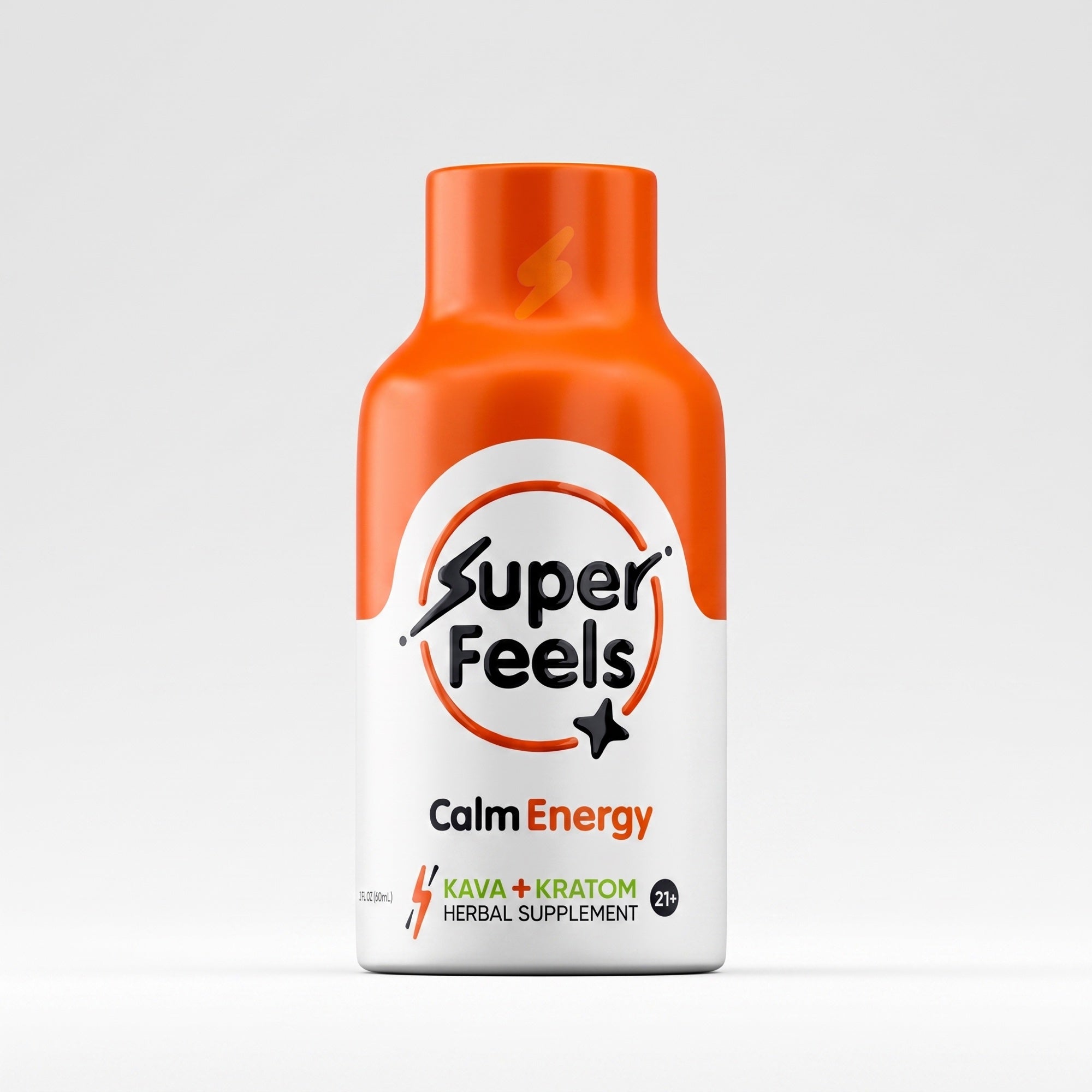
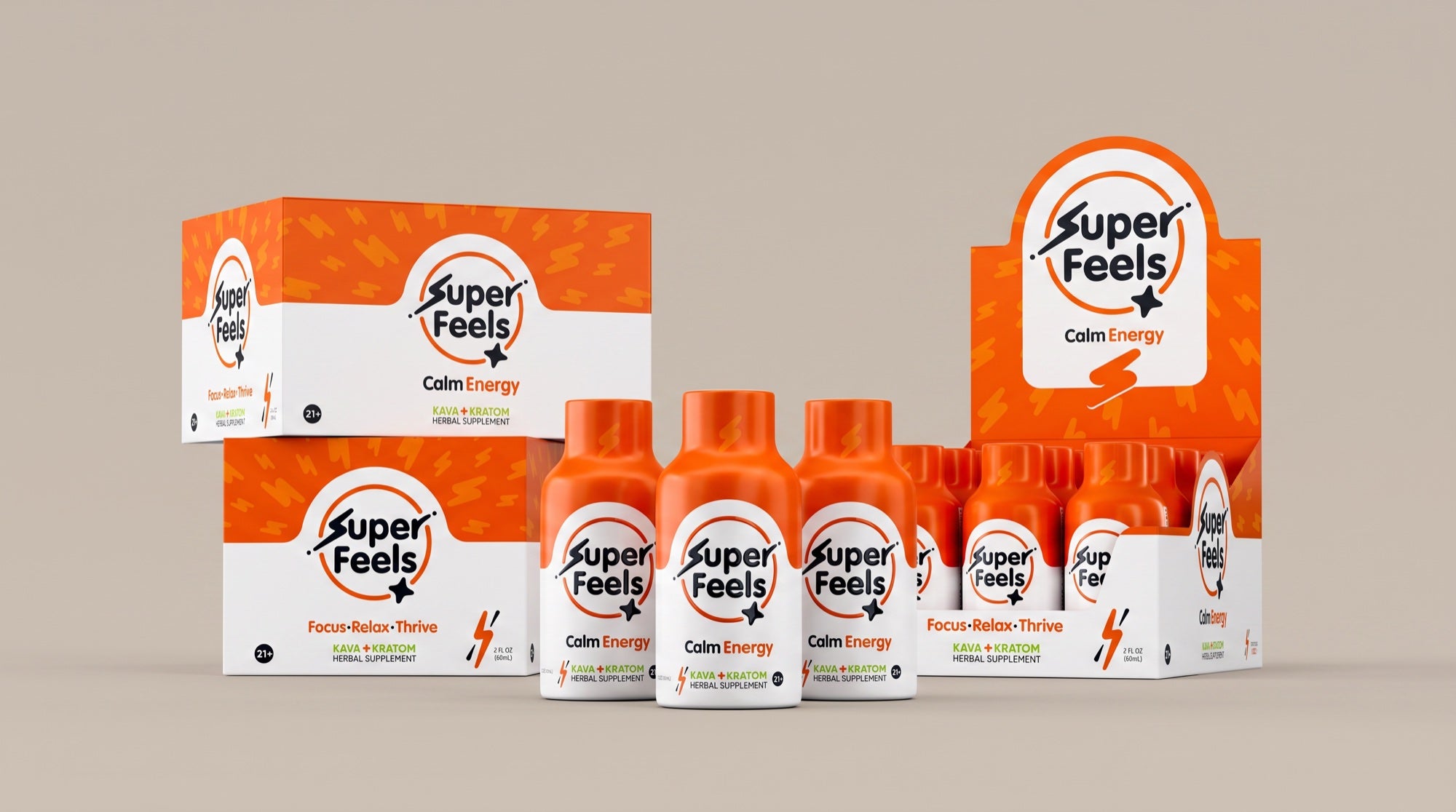
Our tonics carry 75mg of mitragyna speciosa per serving, printed on the bottle, from leaf material rather than synthetic isolate.
The honest safety picture
It can be habit-forming. Like nicotine and alcohol, kratom can be habit-forming and harmful if not consumed as directed. Needing more of it over time to get the same effect is the signal to stop and talk to a professional.
Do not combine it with alcohol, and do not use it if you have a history of substance use disorder, are pregnant or nursing, or are taking medication without consulting a licensed healthcare professional first.
Legality varies. Kratom is restricted in some US states and municipalities. It is the purchaser’s responsibility to know their local law, and we do not ship to restricted addresses.
* These statements have not been evaluated by the Food and Drug Administration. This product is not intended to diagnose, treat, cure, or prevent any disease.
Go deeper
Other plants we work with


Shop